Studiebarometeret 2025: Mer fornøyd med læringsmiljøet
Studentene på OsloMet er mer fornøyde med det faglige og sosiale læringsmiljøet på universitetet enn tidligere, viser nye tall fra Studiebarometeret.
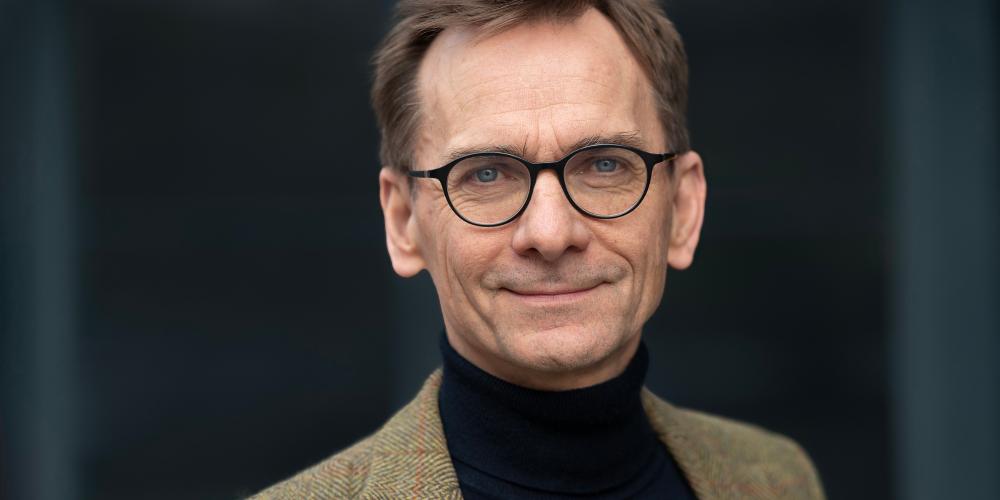
– Jeg er glad for å se at kurven begynner å gå i riktig retning, selv om vi fremdeles har en vei å gå, sier prorektor Silje Fekjær.
– Et godt læringsmiljø er viktig for studentenes læring, men det er også et mål i seg selv: Vi vil at studentene skal ha det bra mens de går på OsloMet. De siste årene har vi satt i gang flere nye tiltak for å bedre læringsmiljøet.
– Det gjøres mye godt arbeid på de enkelte utdanningene, slik som mentorprogram, studentdrevne verksteder og språkstøtte.
– Vi jobber også med å gjøre lokalene våre mer tilgjengelige for studentforeninger og studentaktiviteter, og å legge forholdene bedre til rette for fadderordningen ved studiestart.
Stor variasjon mellom utdanningene
Selv om tallene på institusjonsnivå er ganske stabile, varierer tilfredsheten blant studentene mellom utdanningene.
Blant de som er mest fornøyd eller viser klar bedring i årets undersøkelse er sykepleierutdanningen på Kjeller, barnevernutdanningen, produktdesign og barnehagelærer deltid.
Sykepleierutdanningen på Kjeller har forbedret resultatene sine på de fleste områdene de siste årene.
Studieleder Kari Anne Hakestad forteller at hun har lagt vekt på at det skal være kort avstand mellom studenter og ansatte på utdanningen, og opplever at det er noe studentene setter pris på.
– Vi ser at studentene er mer på campus. Det at studenter og ansatte møtes jevnlig tror jeg er en viktig årsak til at studentene er mer fornøyde.
Vil jobbe videre med forbedringer
Fekjær forteller at det er noen områder hvor studentenes tilbakemelding er tydelig på at noe må endres.
– Vi ser at mange studenter ikke er fornøyd med informasjonen de får om studiet sitt, og med våre fysiske arealer. Det er et tydelig signal til universitetet: vi må fortsette å jobbe for klarere informasjon, bedre nettsider, flere felles undervisningsrom og bedre arealer hvor studentene våre kan jobbe, henge og møtes.
Mer bruk av kunstig intelligens
Årets undersøkelse viser en økning i studentenes bruk av kunstig intelligens, sammenlignet med 2024.
Studentene bruker KI-verktøy til mange ulike oppgaver, men det er særlig andelen som bruker det til kvalitetssikring og redigering av tekst som øker kraftig. Å bruke KI til å forklare pensum og oppsummere tekster, men også til idémyldring og som diskusjonspartner er utbredt blant OsloMet-studentene.
Grunnskolelærerutdanningene under lupen
I årets studiebarometer har Direktoratet for høyere utdanning og kompetanse sett spesielt på grunnskolelærerutdanningene. Ved OsloMet er den overordnede tilfredsheten blant lærerstudentene noe bedre enn i fjor, men likevel lavere enn landsgjennomsnittet.
– Vi er klar over mange av utfordringene studentene peker på, og er ikke fornøyd med at så mange av lærerstudentene ikke er tilfredse.
– Resultatene gir grunnlag for å grave mer bak tallene; lese emneevalueringer, se på fritekstsvar og ikke minst snakke med studentene om hvordan de opplever utdanningen. Målet nå er å forstå mer om hva vi bør gjøre annerledes.
Om Studiebarometeret
- Studiebarometeret kartlegger studentenes oppfatninger av kvaliteten i studieprogrammene.
- Direktoratet for høyere utdanning og kompetanse (HK-dir) er ansvarlig for undersøkelsen. De overtok ansvaret fra NOKUT i 2025.
- Fra og med 2025 blir Studiebarometeret for universiteter og høyskoler gjennomført annethvert år.
- Ved OsloMet har i år 31 prosent av de spurte studentene svart på undersøkelsen
- Se mer om OsloMet-tallene
- Studiebarometeret - alle tall (studiebarometeret.no)